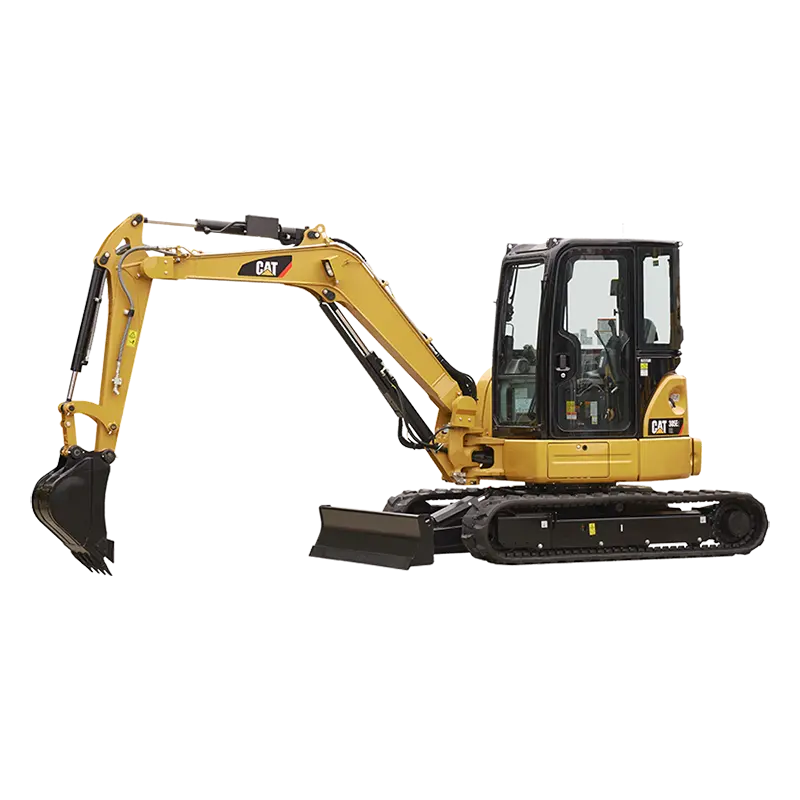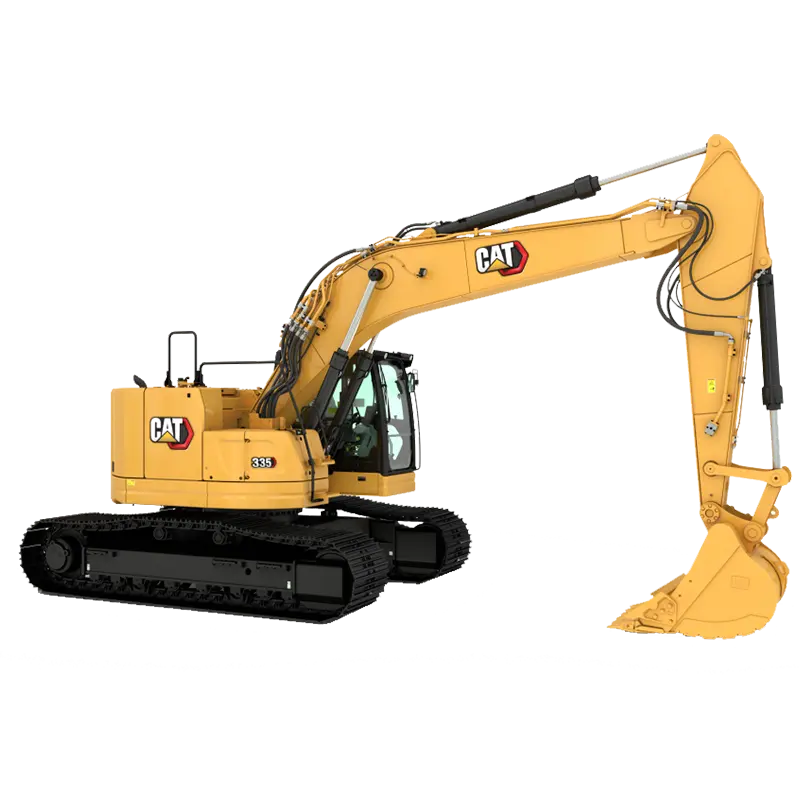
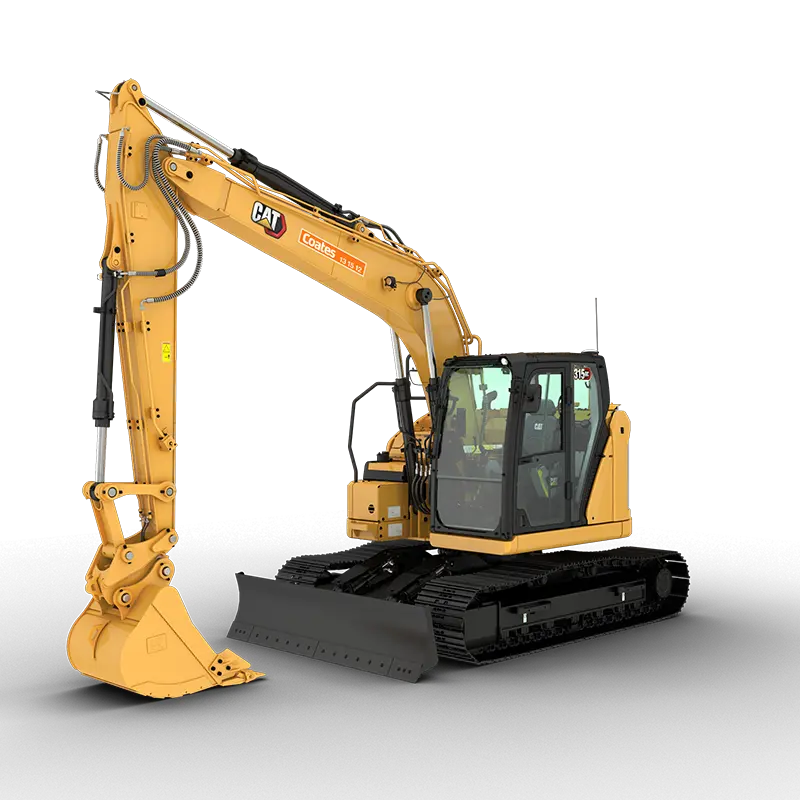
Excavator - 2D 15t
Civil and infrastructure contractors completing trenching, bulk earthworks or utility installation, using integrated 2D control to enhance…
20 items
Civil and infrastructure contractors completing trenching, bulk earthworks or utility installation, using integrated 2D control to enhance…
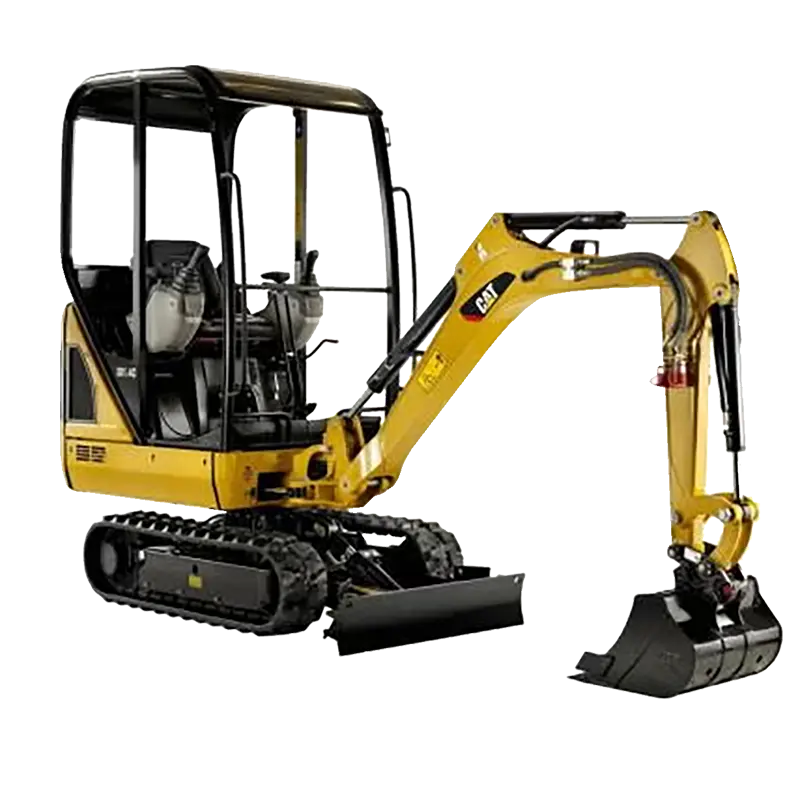
Landscapers and electrical contractors working in tight spaces or backyards where minimal ground disturbance and narrow access require…
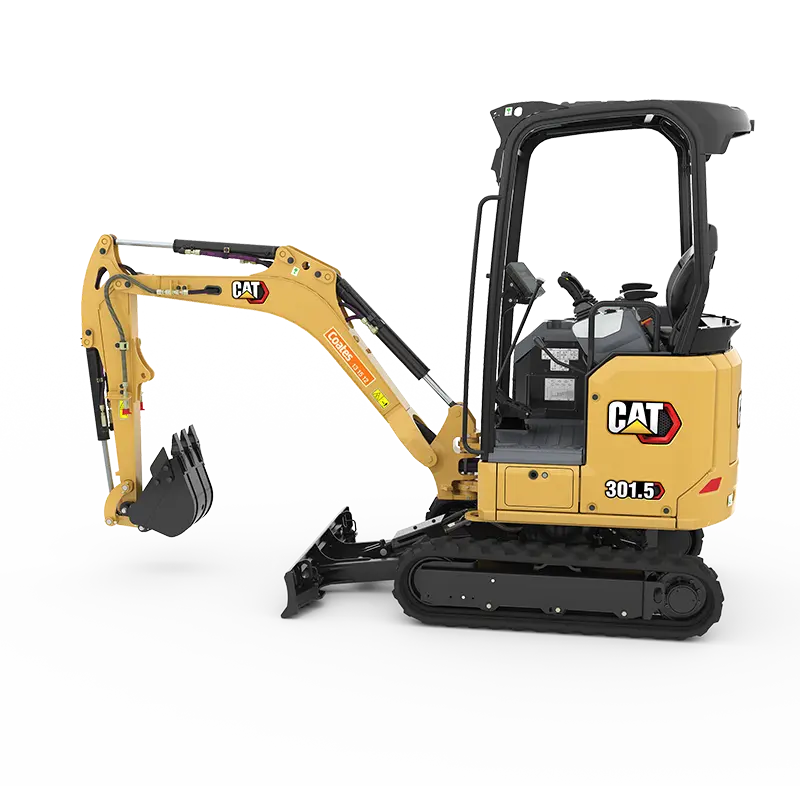
Tradespeople and plumbers conducting residential trenching, footing preparation or minor demolition in areas with restricted entry and…
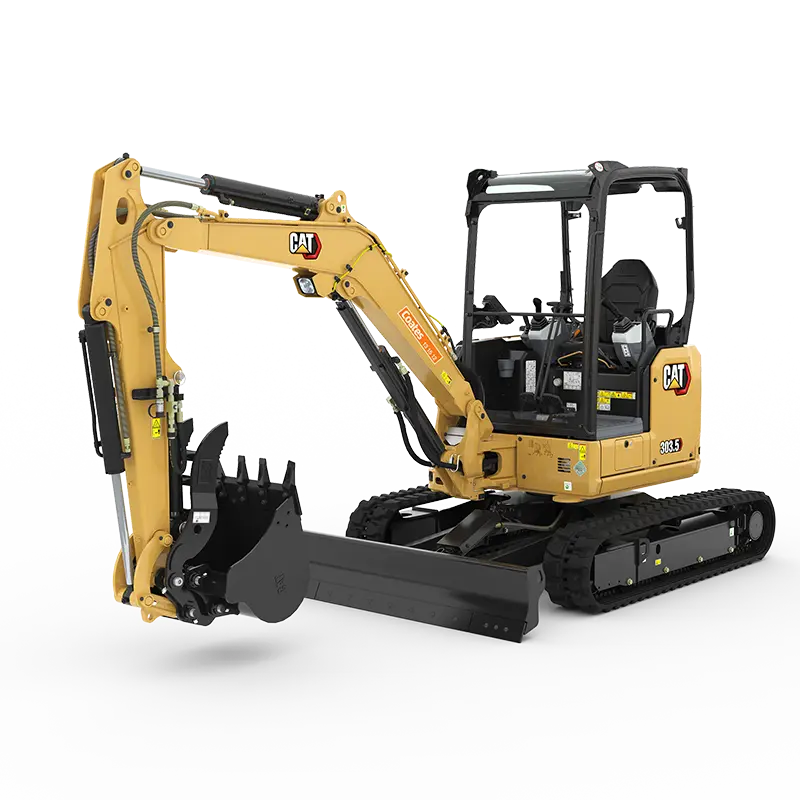
Builders, tradies, civil contractors and owner/operators undertaking digging, grading, backfilling, levelling and other earthmoving tasks…
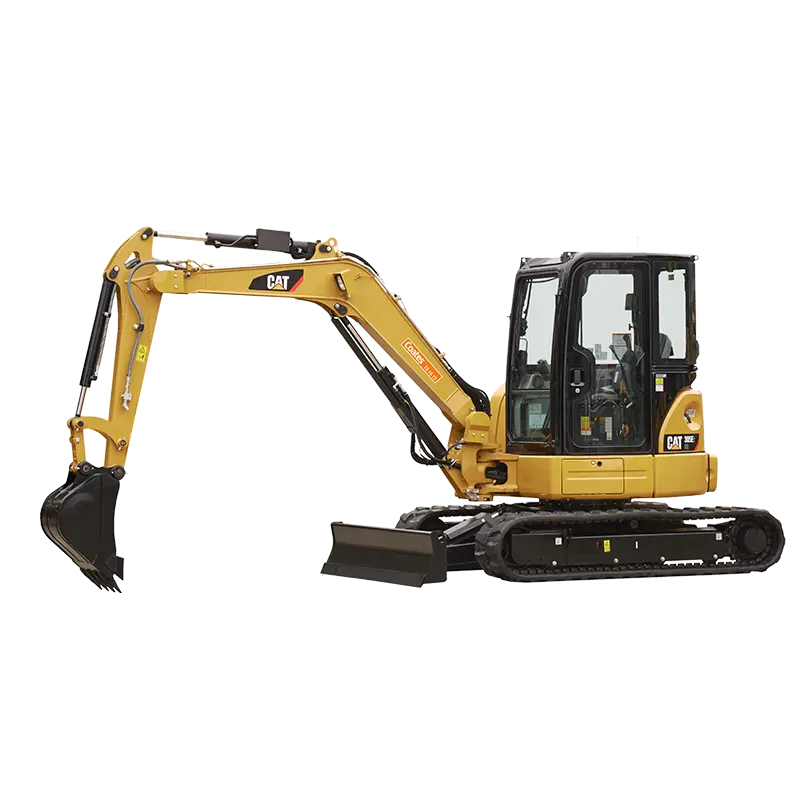
Plumbers, builders and concreters doing slab prep, trenching or footing excavation with mid-range digging needs across domestic and light…

Civil and landscaping crews completing battering, pad prep, or trenching in residential subdivisions or smaller commercial sites where…

Contractors and plant operators completing bulk dig, backfill and grading tasks across medium-scale projects that require more capacity…
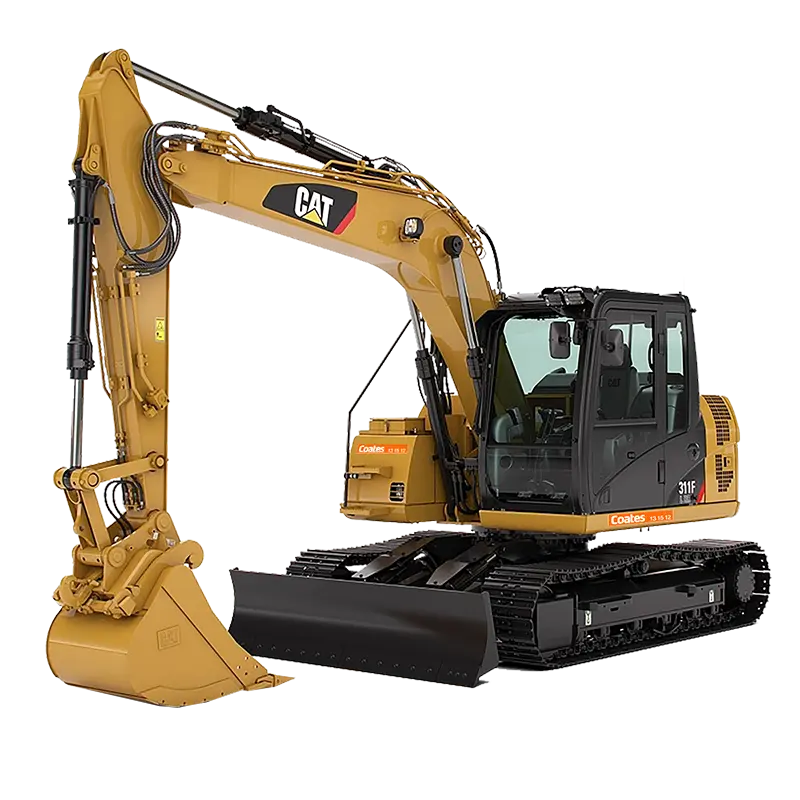
Mid-scale earthworks and civil crews performing pipe laying, material loading or bulk excavation where a balance of reach, lifting capacity…
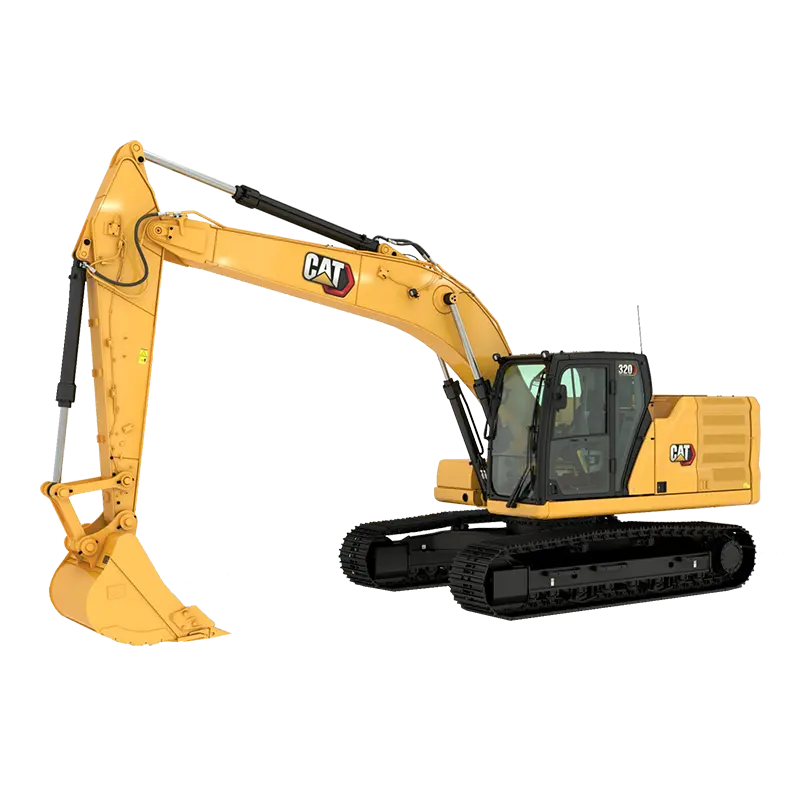
Civil construction, subdivision and demolition crews managing large-scale digging, lifting, breaking or loading tasks on commercial and…
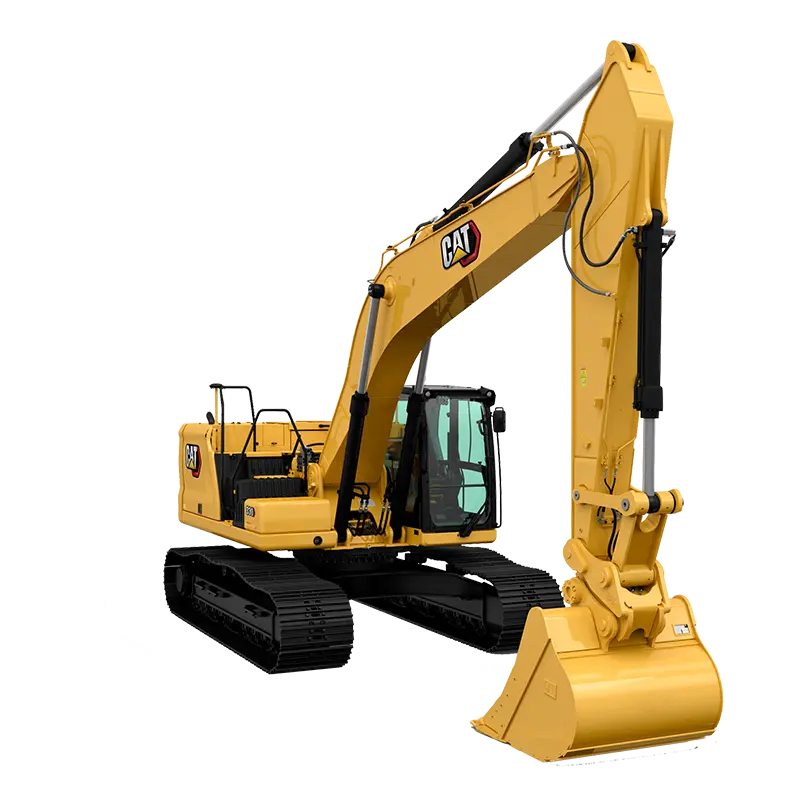
Major infrastructure, mining and civil contractors working on dam construction, bulk earthmoving or reinforced rock trenching requiring…

Civil construction teams needing improved efficiency on site cuts and trenching, with 2D guidance and tilt functionality for more precise…

Infrastructure and roadwork crews completing complex earthworks with 3D GPS control, allowing accurate slope work, trenching and final…

Civil, rail and utilities contractors performing deep trenching, foundation work or final trim tasks with integrated 3D control and tilt…
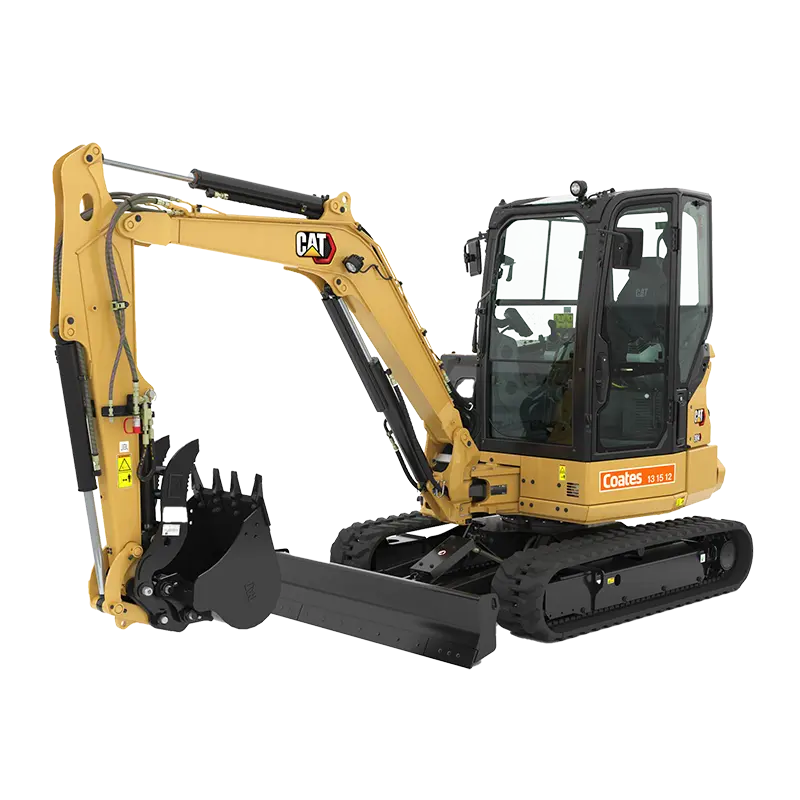
Landscapers, plumbers and small-scale civil teams needing versatile digging performance for trenching, shaping or backfilling on confined…
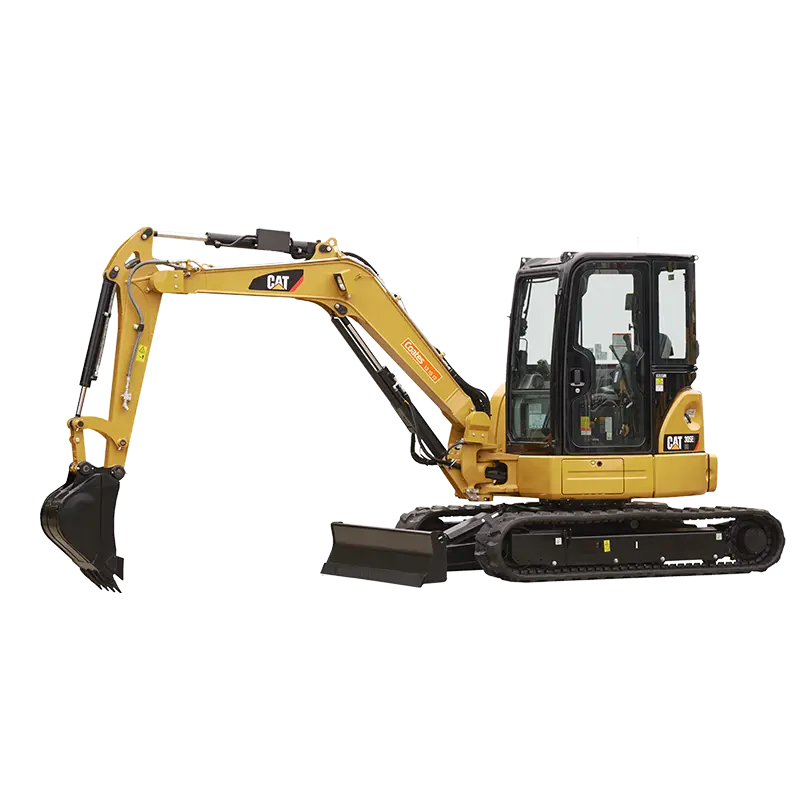
Building and residential site crews working on detailed excavation, small retaining walls or grading tasks where precise bucket positioning…
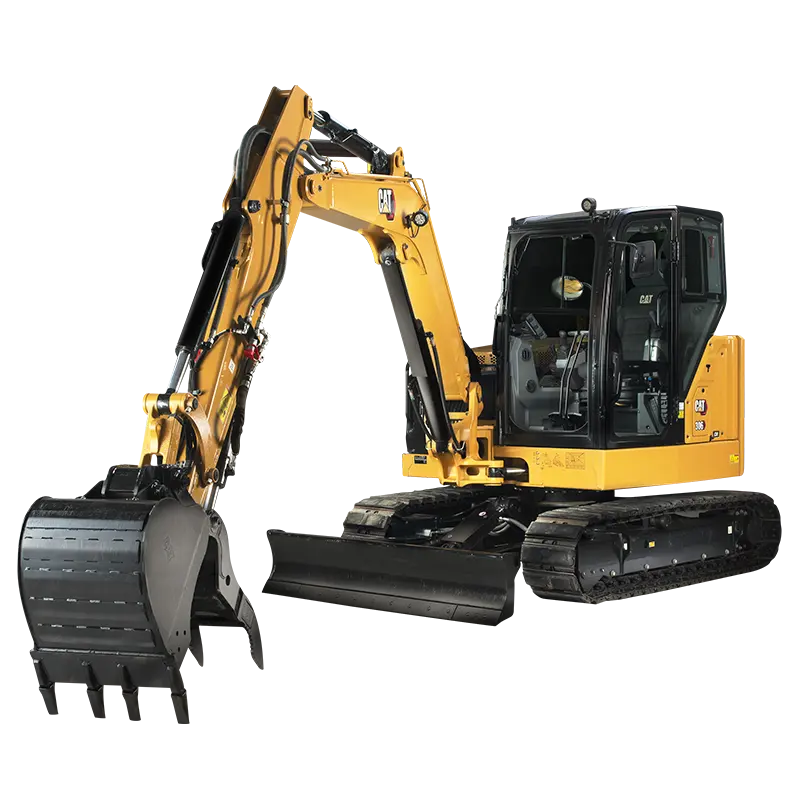
Mid-sized construction and service installation crews requiring enhanced bucket articulation for shaping, trenching or backfilling around…

Earthworks and commercial landscape teams completing pad prep, backfill or site shaping, with tilt hitches streamlining work around…

Contractors in subdivisions, drainage or infrastructure projects achieving faster and more accurate trenching or batters, especially where…
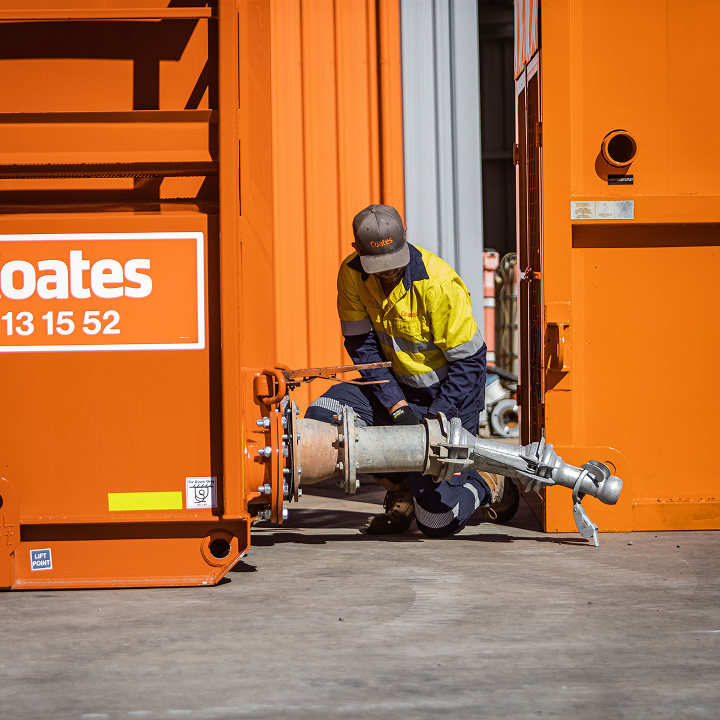
The size of the excavator you need depends on your project. Mini excavators (1-5 tonnes) are ideal for tight spaces and urban jobs, while larger excavators (30+ tonnes) handle heavy-duty excavation, demolition and mining. Consider ground conditions, as soft, wet or rocky terrain may require specialised tracks or bucket types during your excavator hire.
A certificate is no longer required to operate an earthmoving or particular crane (EPC) occupational class of machinery, such as an excavator. However, the PCBU (person conducting a business or undertaking) must ensure that operators are competent and receive adequate training, instruction and supervision. Additional licencing and certification requirements can vary by state, territory and industry sector, so it's important to consult your local or industry regulatory body for specific details prior to any excavator rental.
Excavators can be fitted with trenching, tilt and rock buckets, augers for drilling, hydraulic breakers for demolition, grabs for material handling and rippers for breaking tough ground. The right attachment for your digger hire depends whether you are digging, lifting, demolishing or drilling, to maximise efficiency and performance on-site.
Choosing between sizes depends on the scale of work, available space and lifting requirements. Mini excavators suit tight access and smaller tasks, mid-size units balance reach and manoeuvrability, while large excavators are used for high-volume excavation and heavier lifting.
Access constraints such as narrow entry points, overhead restrictions and confined work areas can limit the size of the excavator to be used. Transport requirements also matter, as larger machines may need specialised equipment to move between sites. Site layout and access conditions should be assessed before selecting equipment.
Aside from dig depth, factors such as reach, lifting capacity, site conditions and the type of work being performed should influence excavator selection. Attachments, ground conditions and the need for precision in confined areas are also important considerations.